
Essential amino acids (EAA) are vital nutrients that the body cannot produce on its own and must be obtained through diet or supplements. They play a fundamental role in protein synthesis, muscle recovery, and growth.
Without sufficient EAA intake, muscle repair and overall performance can be compromised. These amino acids are particularly beneficial for athletes, bodybuilders, and fitness enthusiasts who want to optimize their training results.
Should You Take Essential Amino Acids Before or After Training?
The timing of amino acid intake can significantly impact athletic performance and muscle recovery. Taking amino acids before a workout helps fuel the muscles, reduce protein breakdown, and improve endurance.
Taking essential amino acids after a workout promotes muscle repair, reduces soreness, and accelerates recovery. Some studies suggest that consuming amino acids both before and after training provides the most comprehensive benefits, ensuring a constant supply of essential nutrients to optimize performance and recovery.
Amino Acids During Training
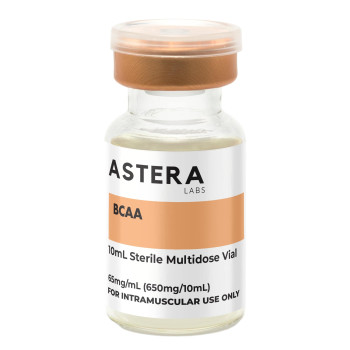
Supplementing with amino acids during training offers several advantages. It helps sustain energy levels, delays fatigue, and promotes hydration. Branched-chain amino acids (BCAA), a subgroup of EAA, are particularly effective in reducing muscle breakdown during prolonged exercise.
Athletes involved in endurance sports, high-intensity training, or long-duration workouts can benefit from taking amino acids during exercise to maintain peak performance and support muscle preservation.
How to Take Essential Amino Acids
There are several ways to integrate essential amino acids into your diet. The most common methods include:
- Supplements – EAA are available in powder, capsule, or liquid form. They are convenient for athletes who need quick absorption and easy digestion.
- Protein-rich foods – Natural sources of EAA include lean meats, fish, eggs, dairy, and plant-based options such as quinoa, soy, and legumes.
- Protein shakes – Many protein powders contain a balanced mix of essential amino acids, making them an excellent post-workout option.
For optimal results, amino acids should be consumed according to training goals, ensuring the best intake before, during, or after exercise.
Recommended Dosage of Amino Acids
The appropriate EAA dosage depends on activity level, body weight, and fitness goals. General guidelines suggest:
- For muscle maintenance: 5-10 grams per day
- For muscle growth and recovery: 10-20 grams per day
- During intense training sessions: Up to 20 grams spread throughout the day
It is advisable to consult a nutritionist or doctor to determine the most effective dosage based on personal needs and training intensity.
Conclusion: Are Amino Acids Really Necessary?
Essential amino acids are a valuable addition to any fitness regimen, as they support muscle growth, recovery, and performance improvement. Whether consumed through food or supplements, they play a crucial role in optimizing workout results. Athletes and fitness enthusiasts looking to maximize their training potential should consider incorporating EAA into their nutritional strategy.
Frequently Asked Questions
What are the benefits of essential amino acids?
EAA promote muscle growth, improve recovery, enhance endurance, and reduce muscle soreness.
Can I take amino acids if I don’t work out?
Yes, amino acids contribute to overall health by supporting immune function, metabolism, and muscle maintenance.
What is the best time to take amino acids?
The ideal timing depends on your goals: before training for performance, during for endurance, and after for recovery.
Can amino acids help with weight loss?
Yes, EAA can aid in fat loss by preserving lean muscle mass and promoting satiety.
Are there any side effects of taking amino acids?
When taken in recommended doses, EAA are generally safe. However, excessive intake may cause digestive issues or imbalances in protein metabolism.
Related Products